There's more to it than you might think.
If you’re newly engaged and deep in wedding-planning mode, chances are you’ve already stumbled across the question: should we do a first look before the ceremony, or wait until the aisle? It’s often framed as a simple yes-or-no choice, but in reality, the answer goes a lot deeper than that. A first look isn’t just a photography decision—it’s an emotional, logistical, and deeply personal one. It touches how you experience your wedding day, how your timeline flows, how present you feel, and even how you connect with your partner when the nerves are high and the day feels big. Beyond the obvious pros and cons, there are quieter considerations that don’t get talked about as often: how you handle anticipation, whether privacy or tradition matters more to you, how you want your day to feel rather than look, and how you and your partner best support each other. This blog is here to help you step back from the noise, look at the bigger picture, and make the choice that feels right—not just for your photos, but for the two of you and the experience you want to remember.
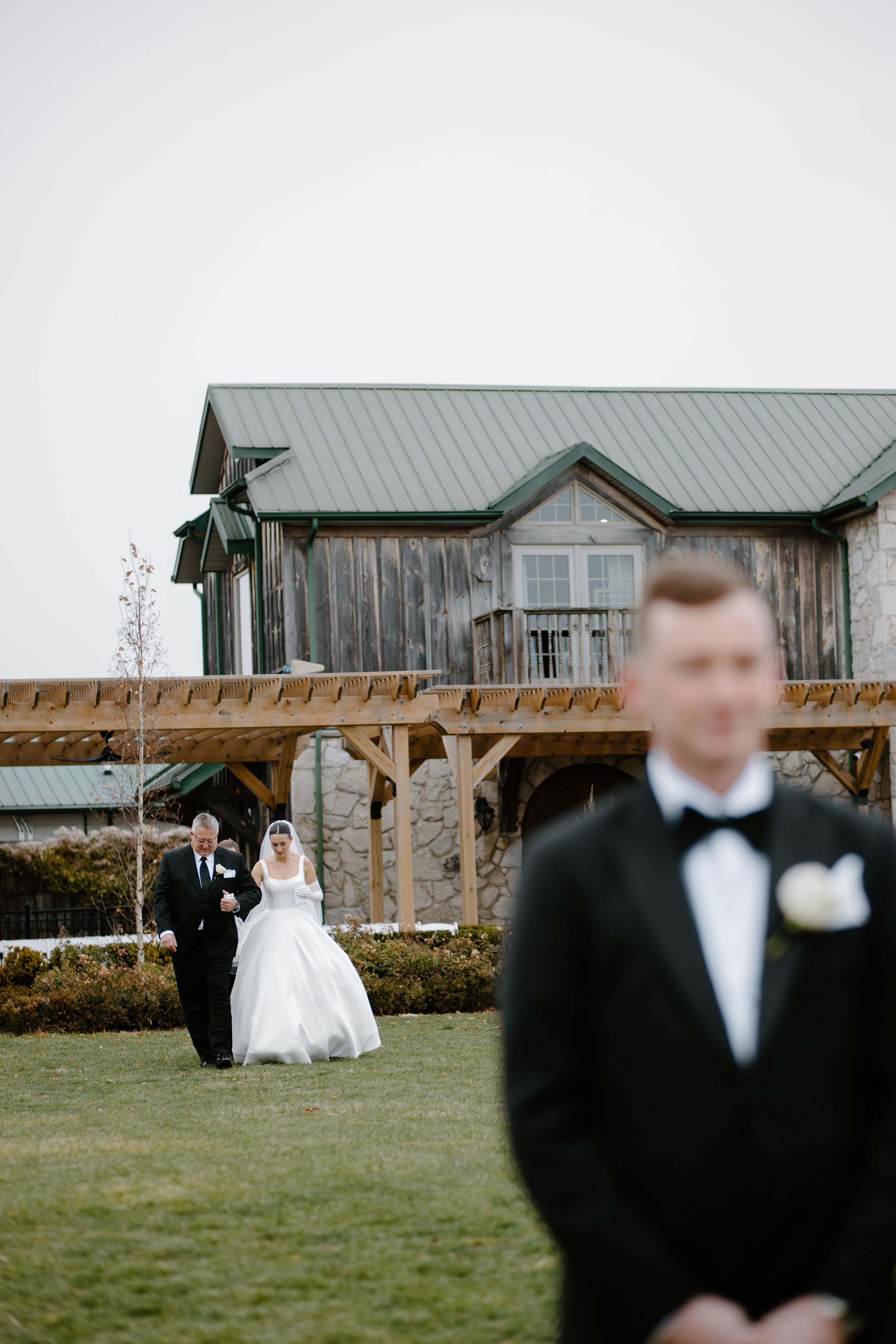
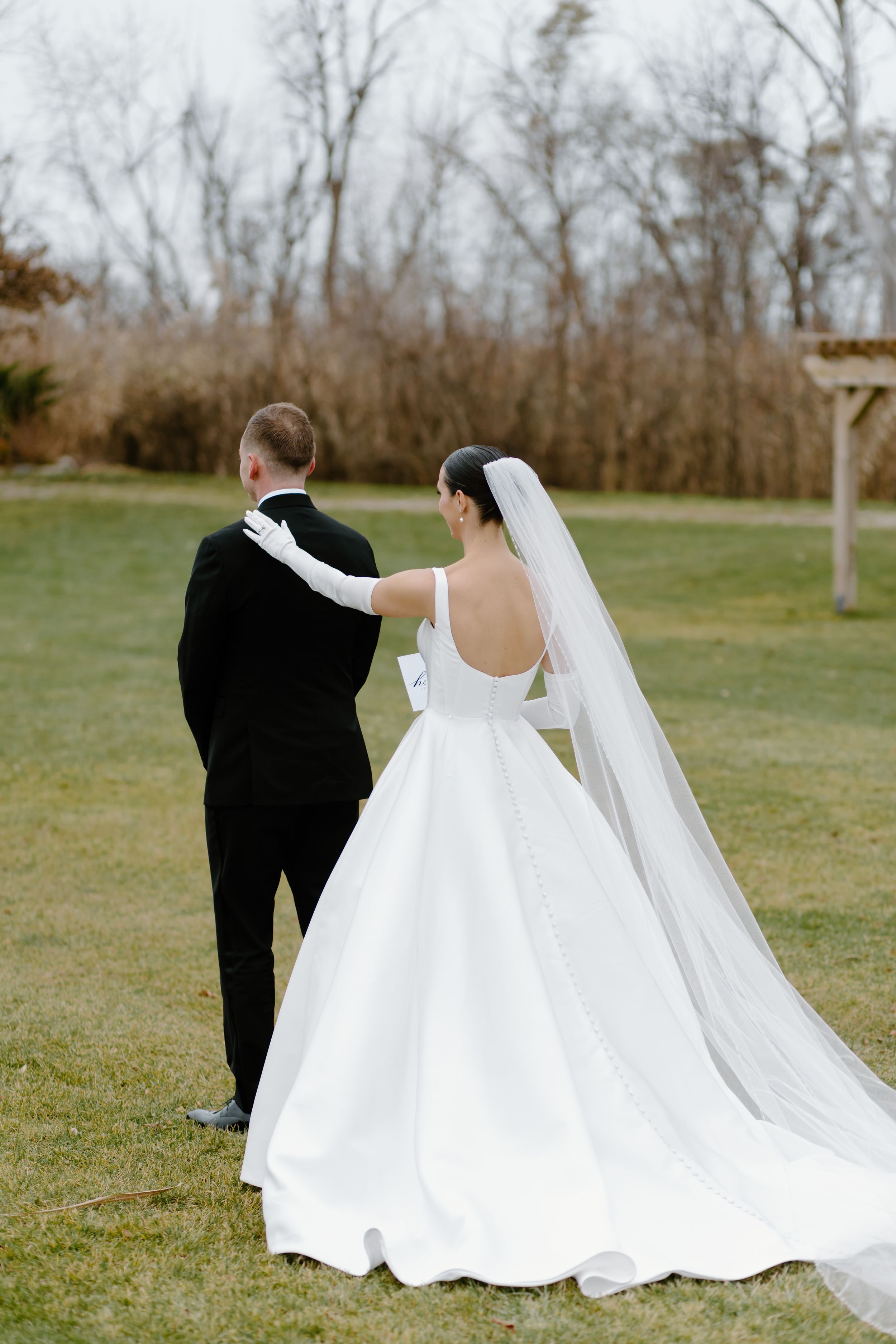
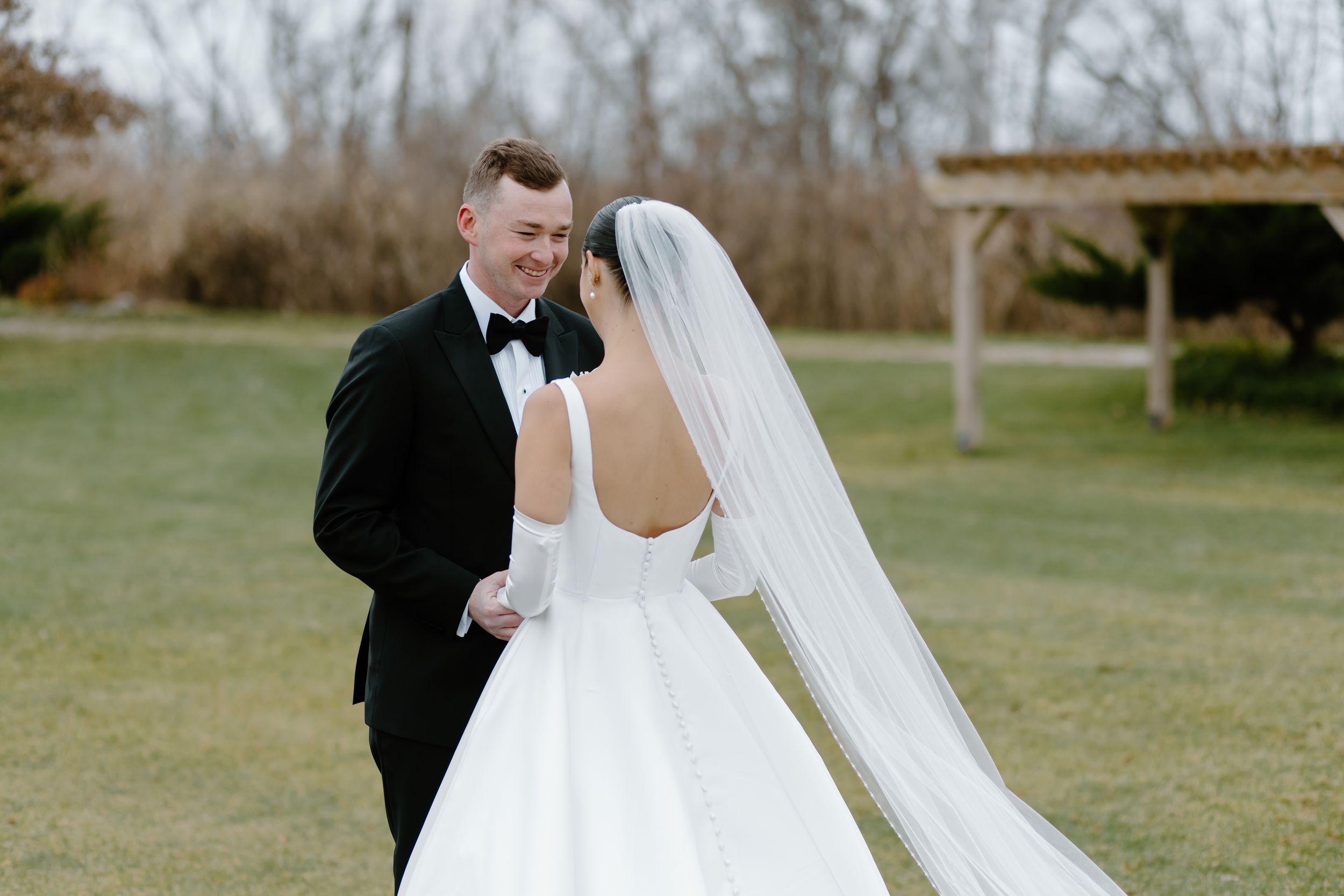
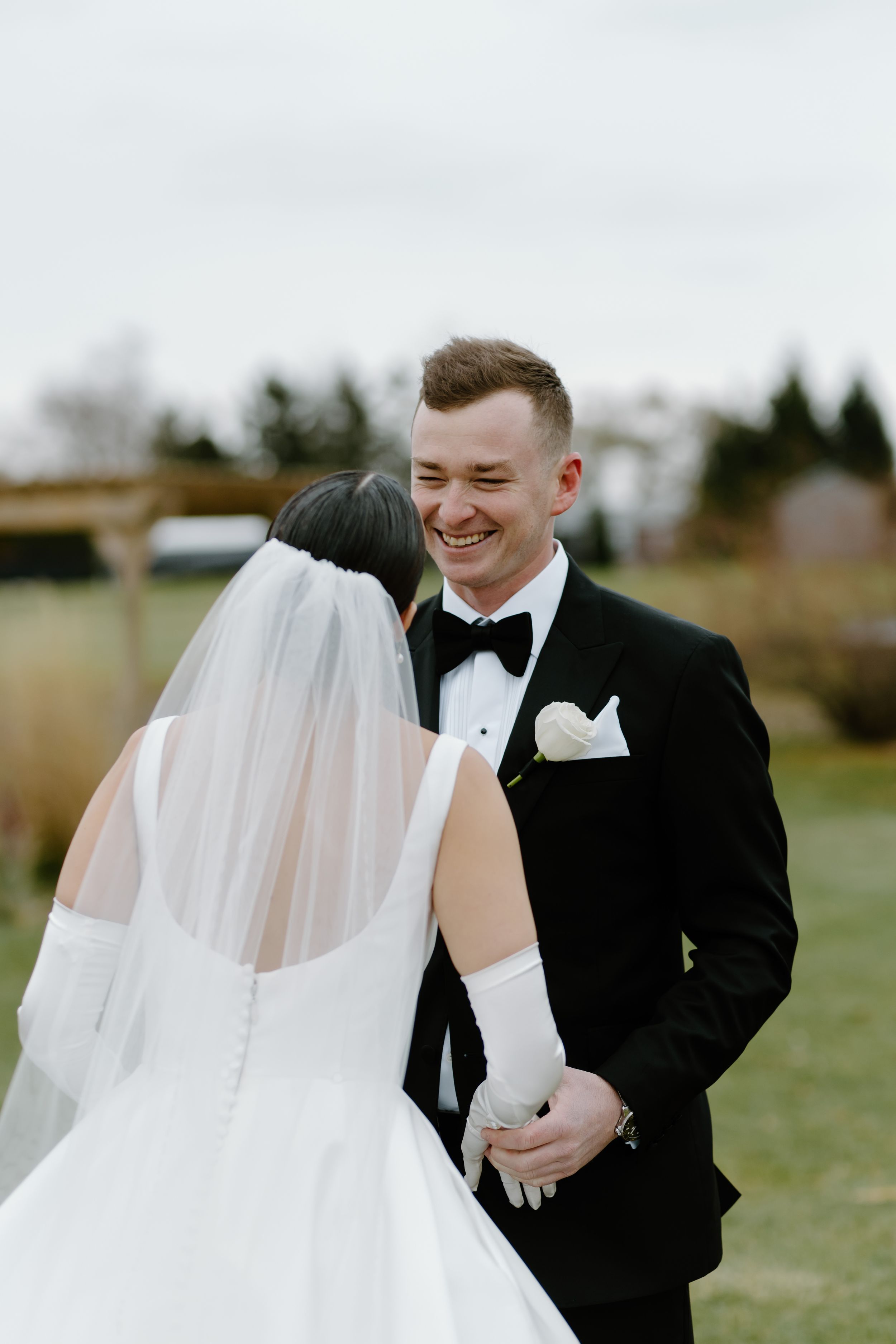
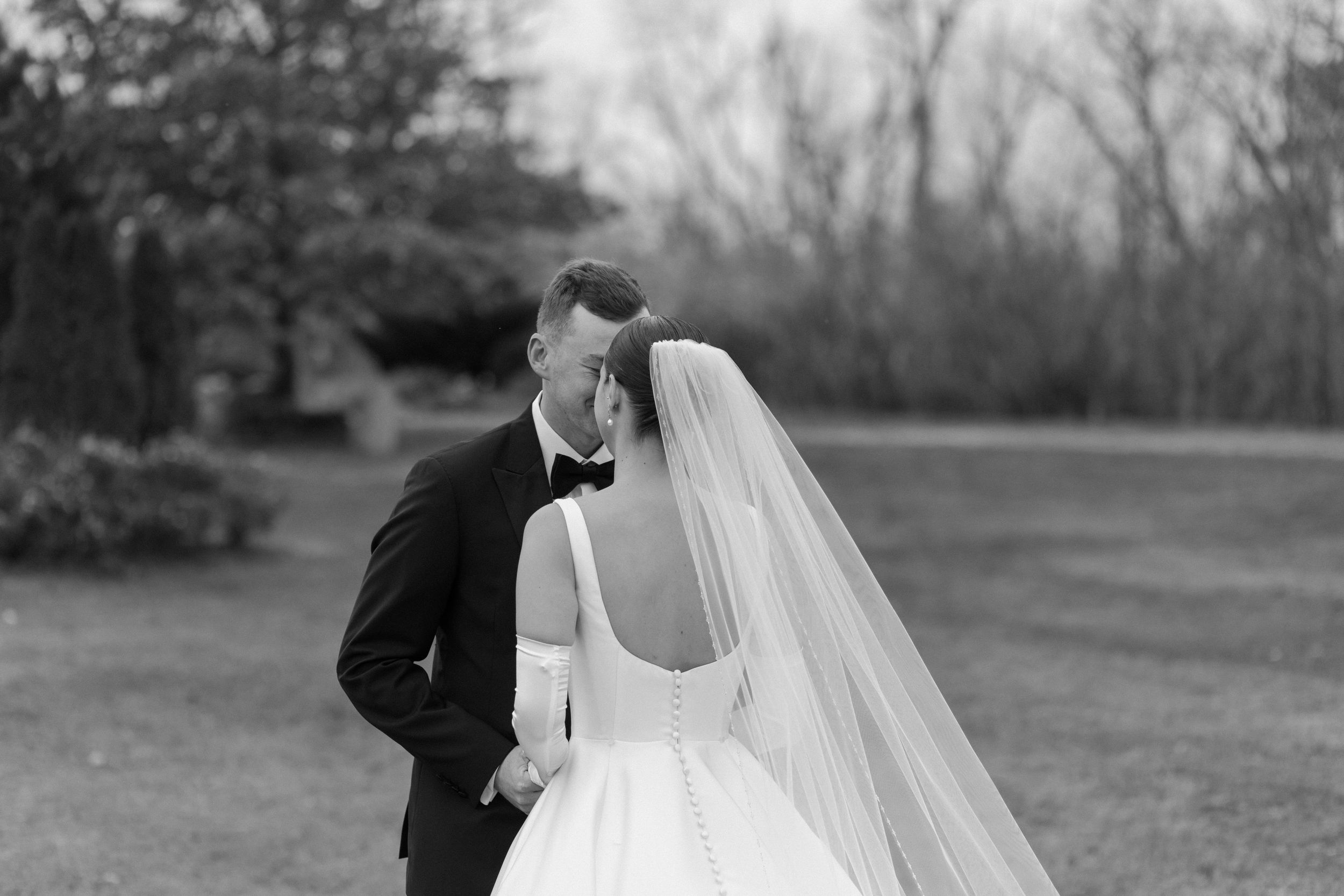
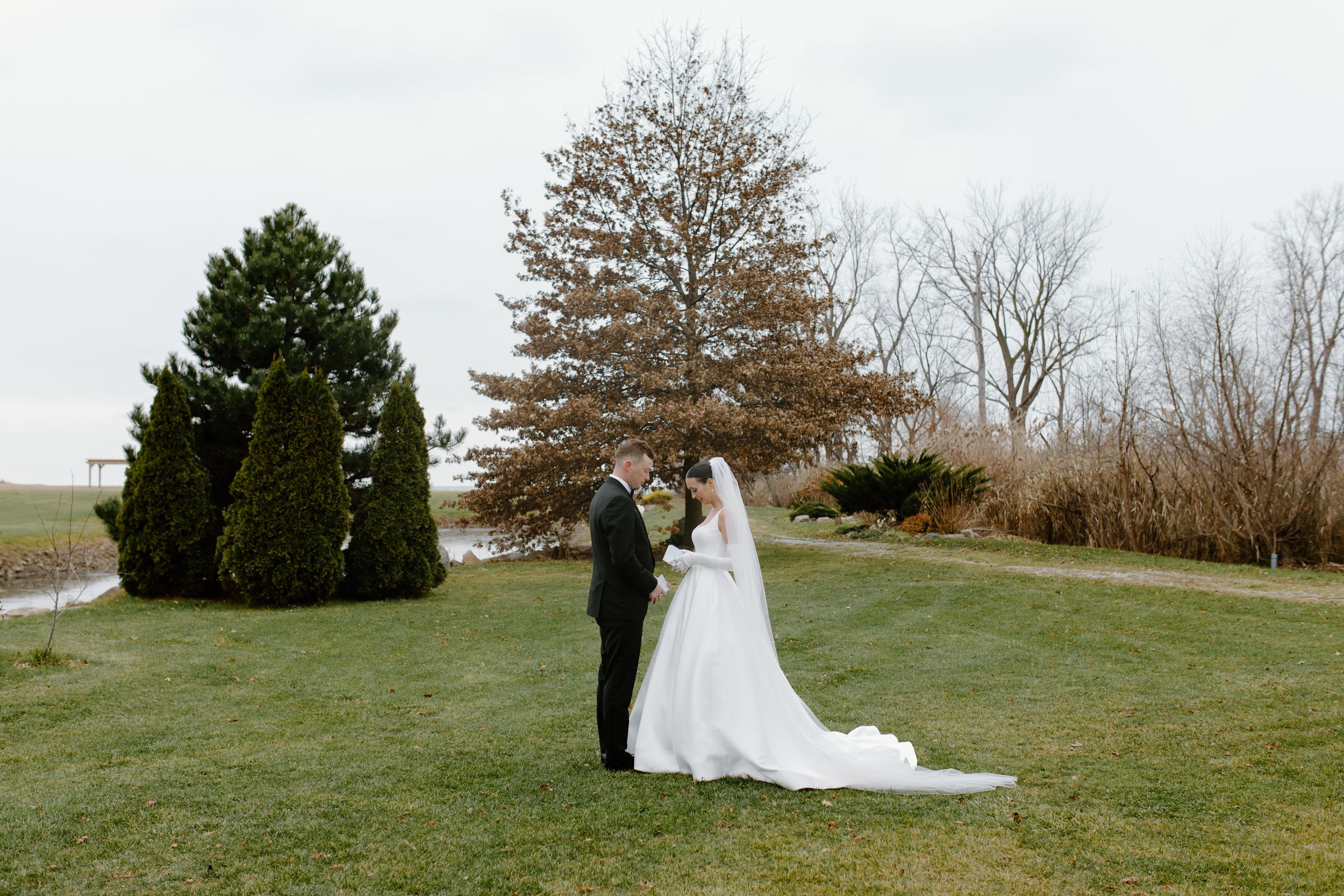
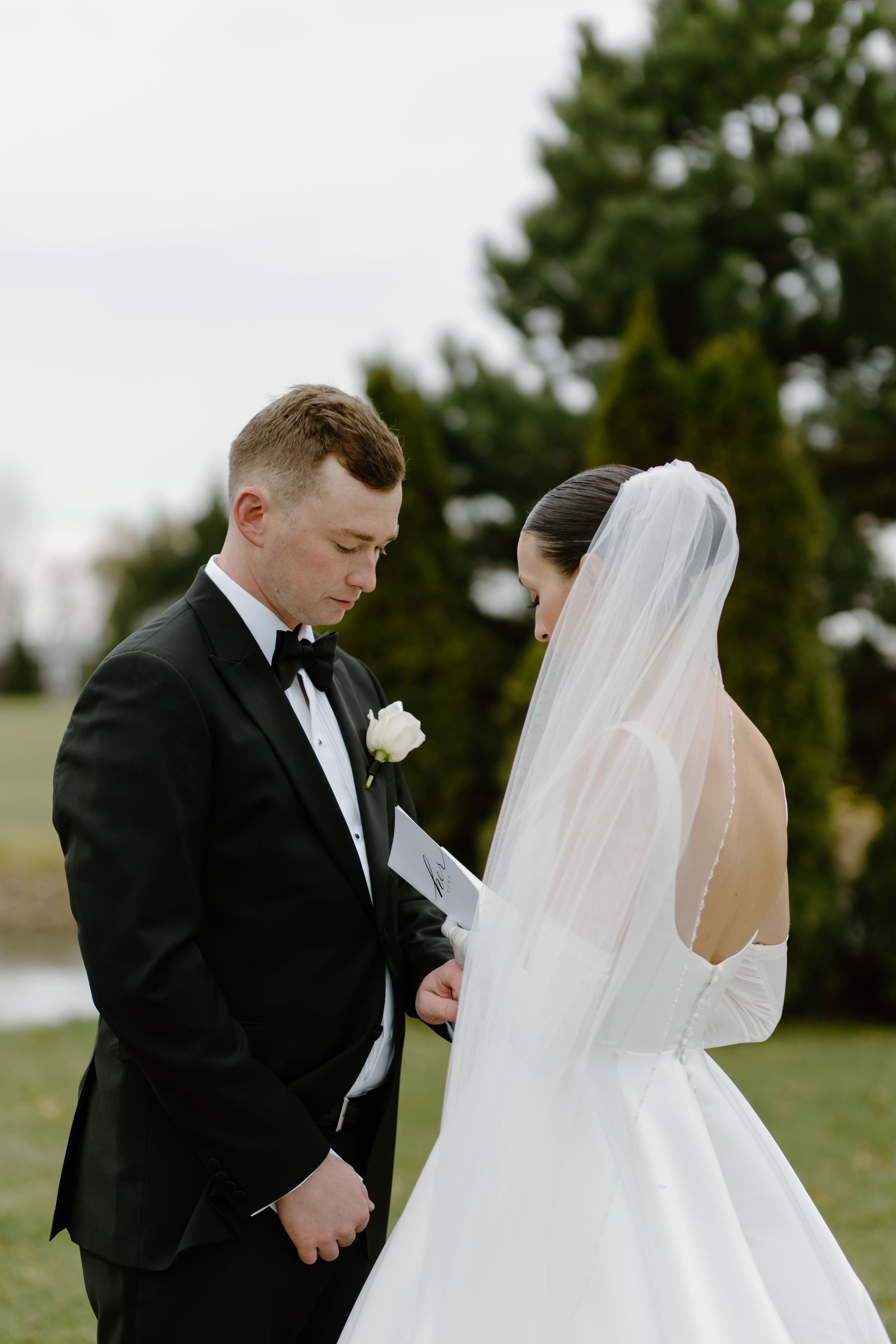
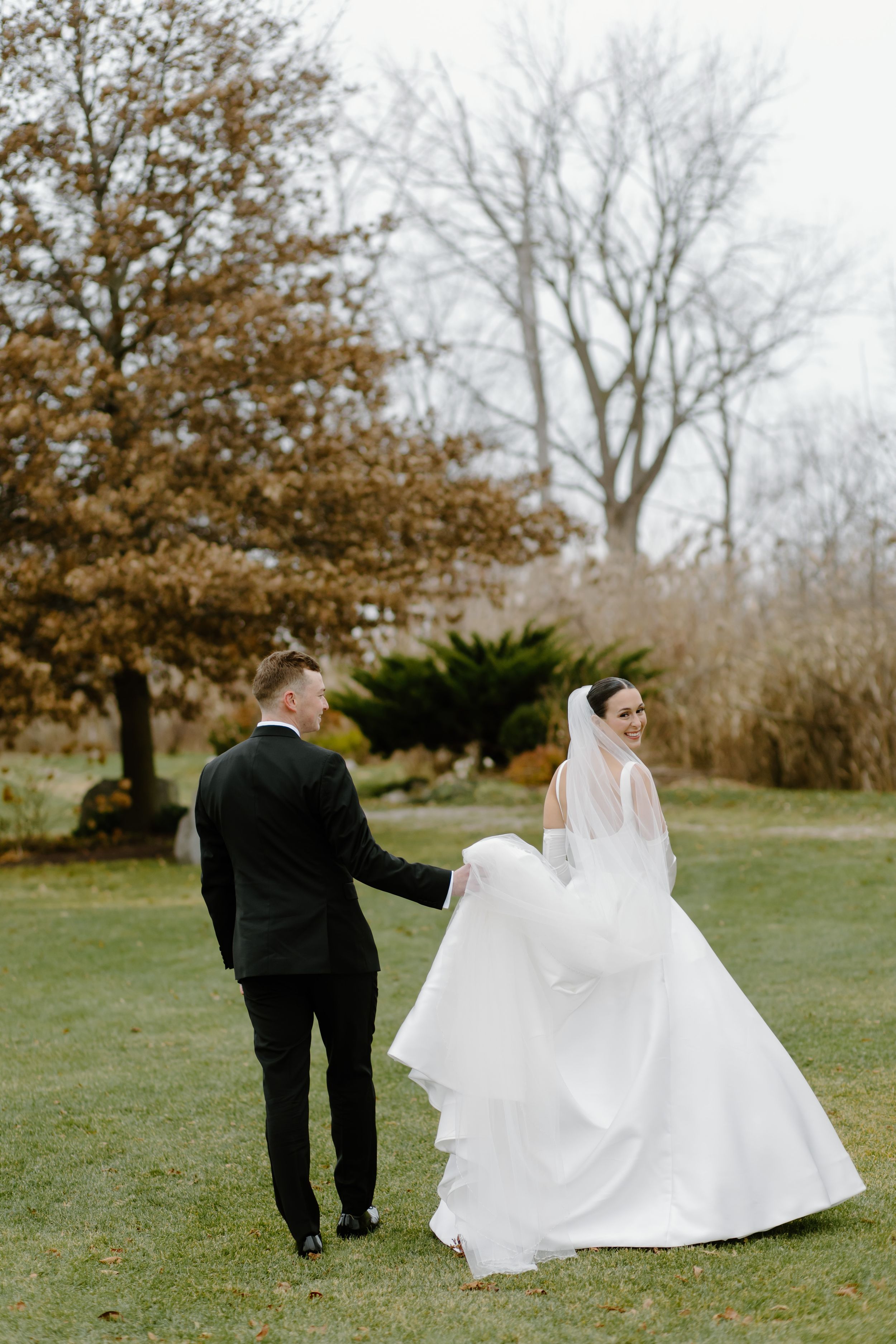
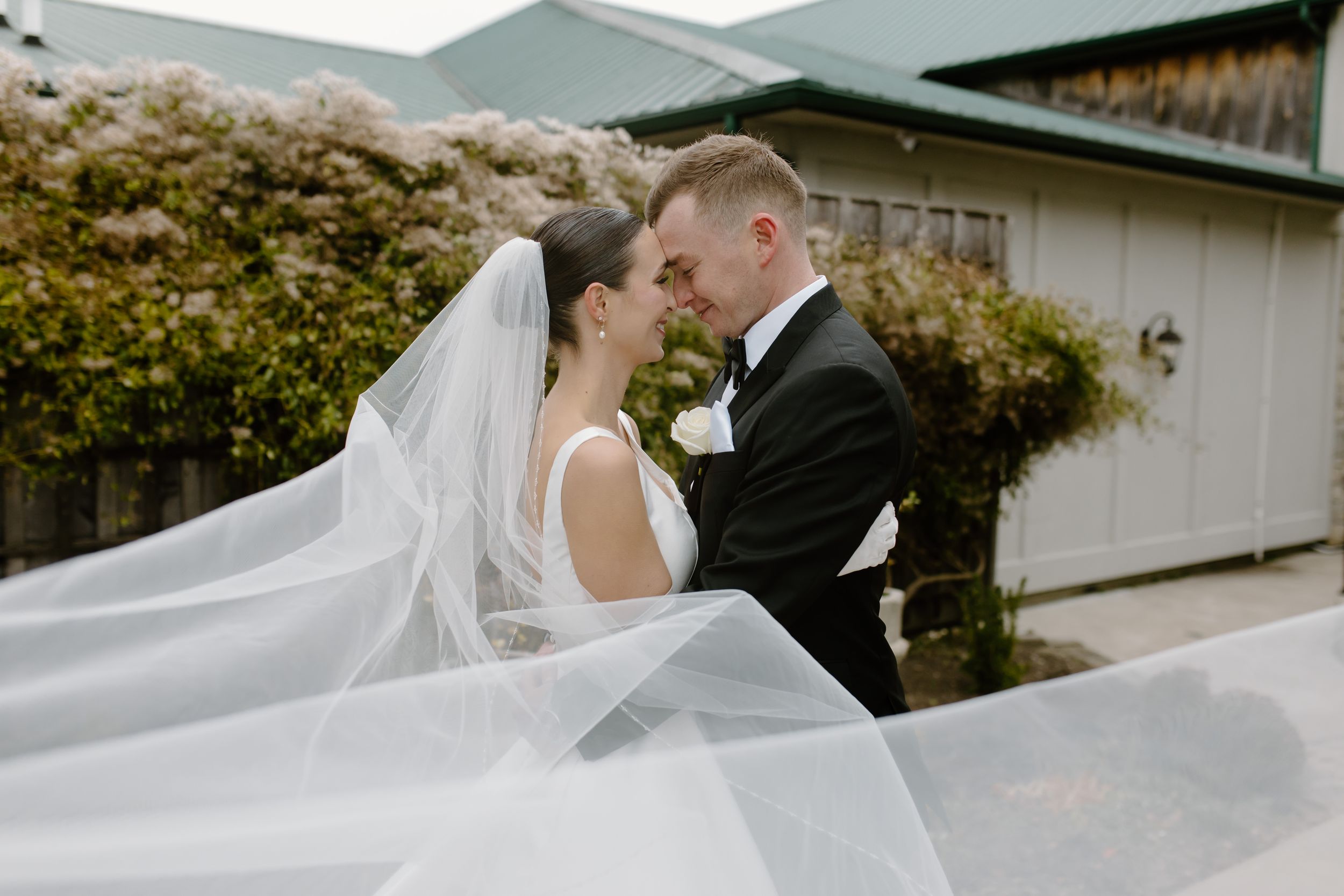

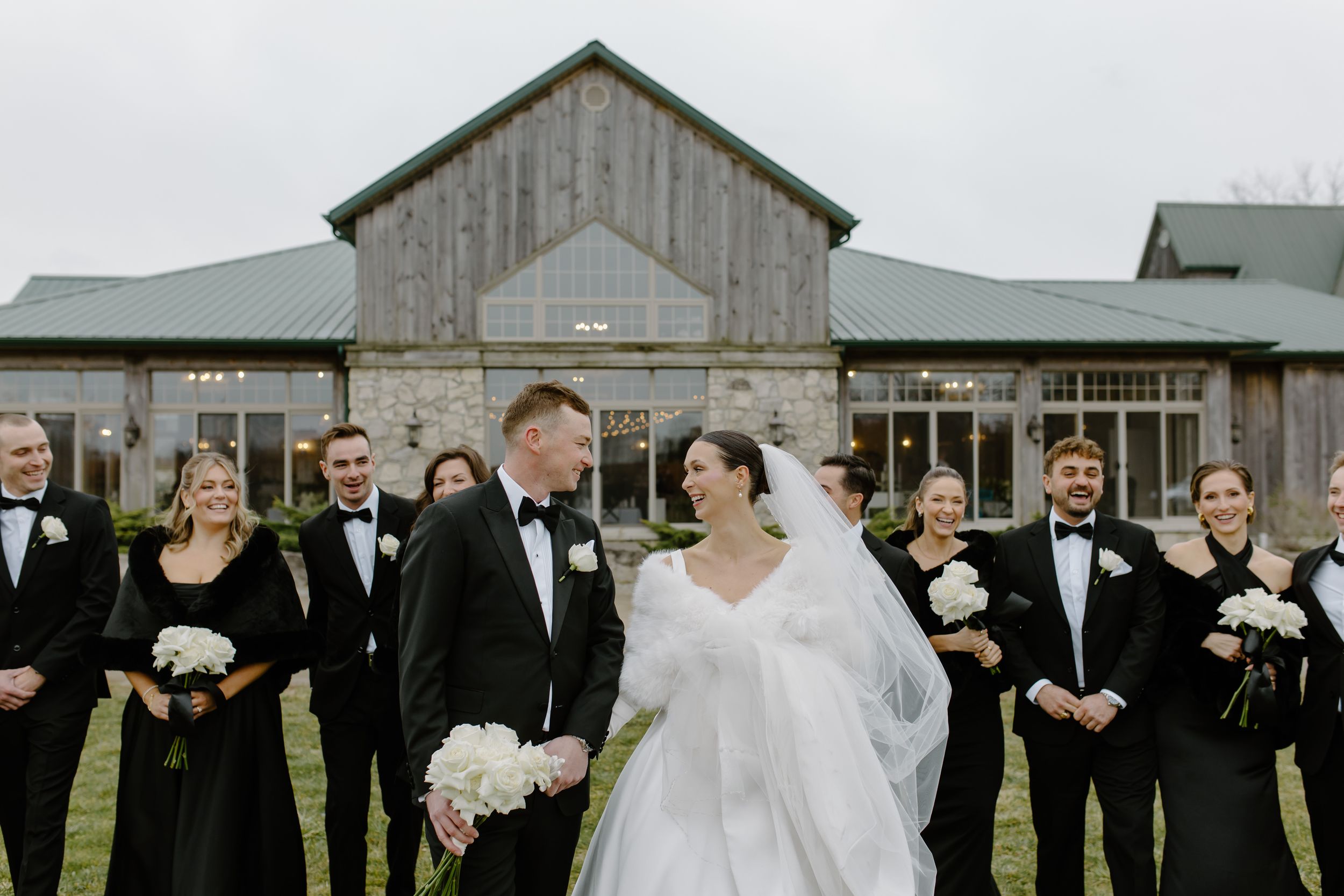
Tradition vs Privacy
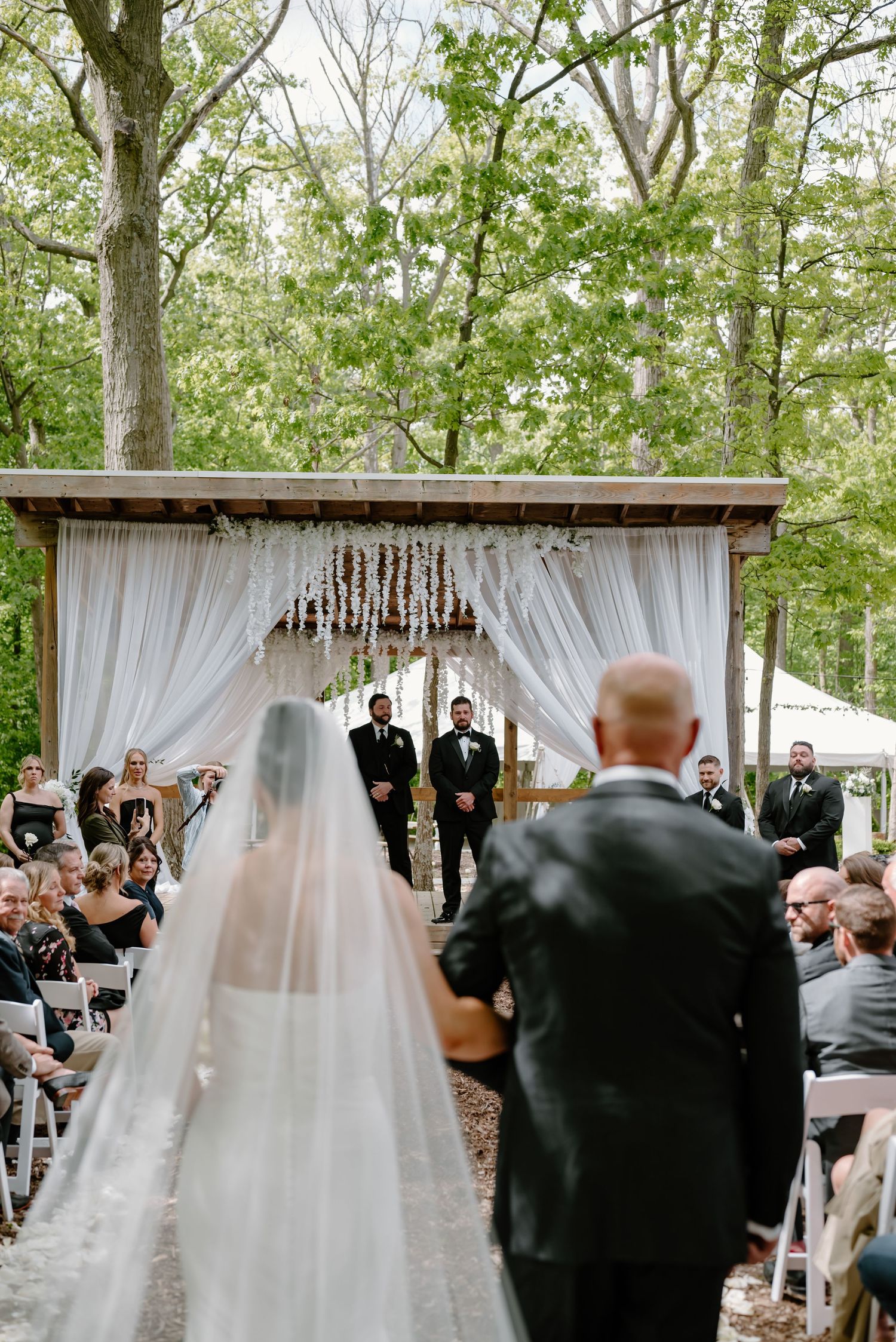
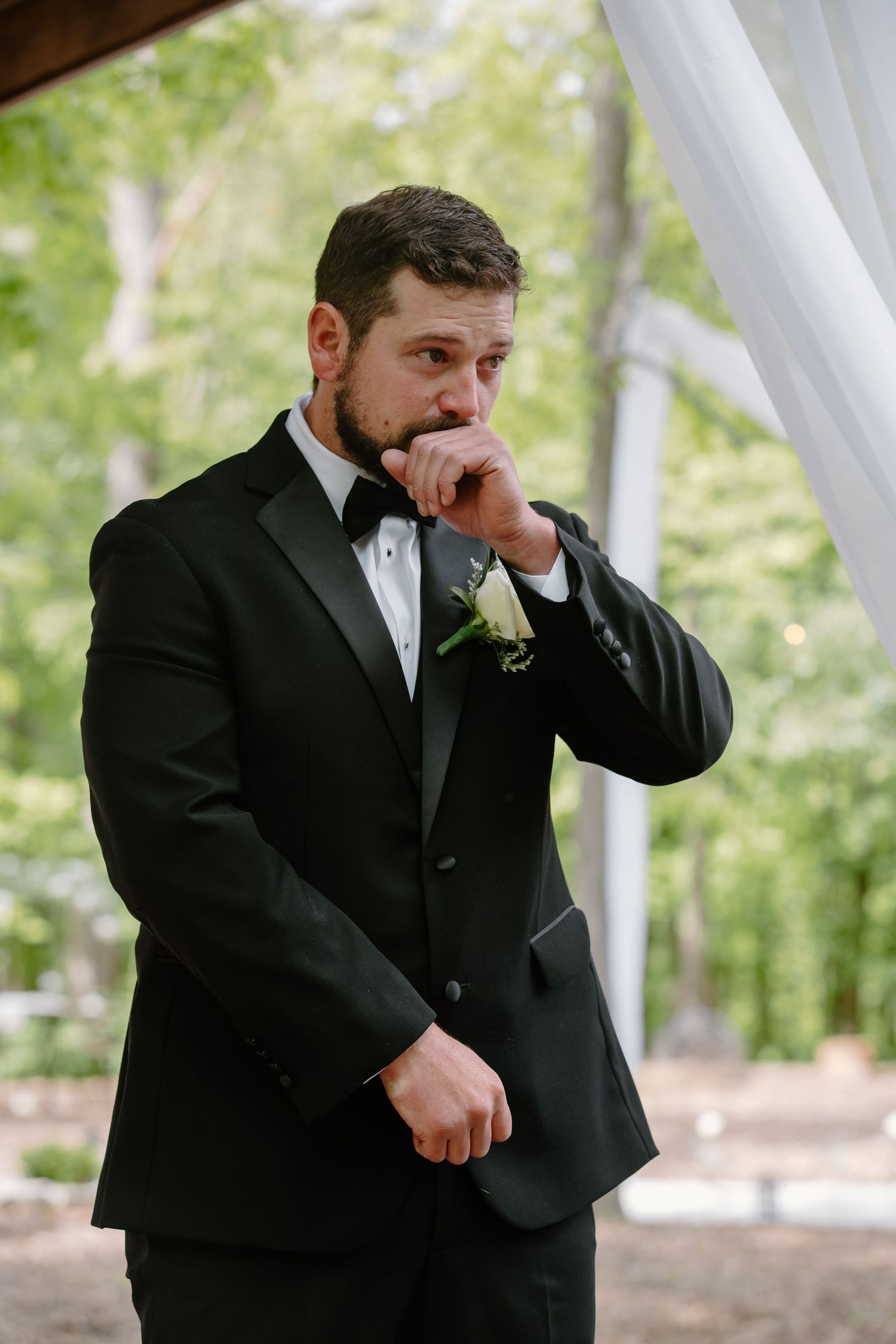
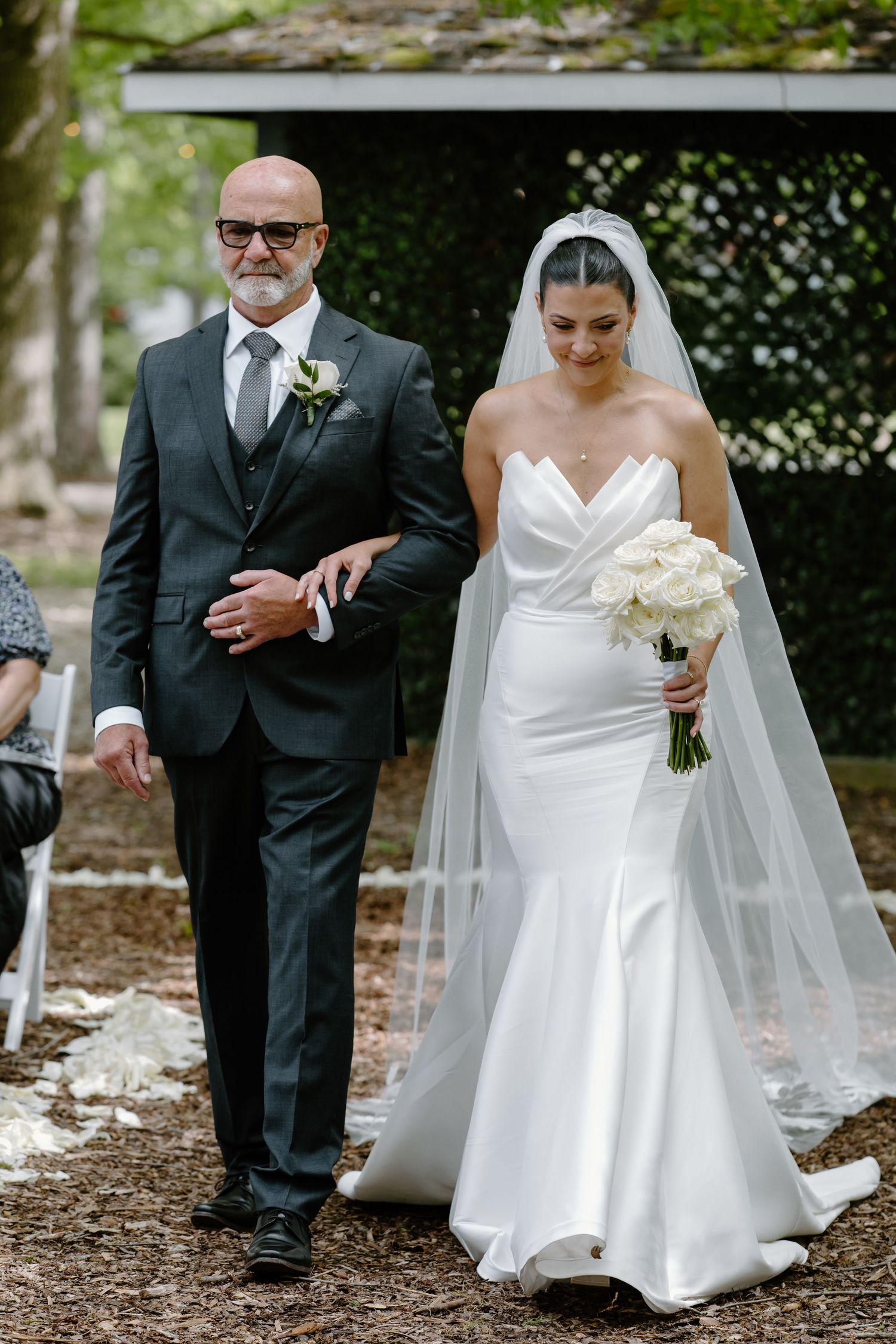
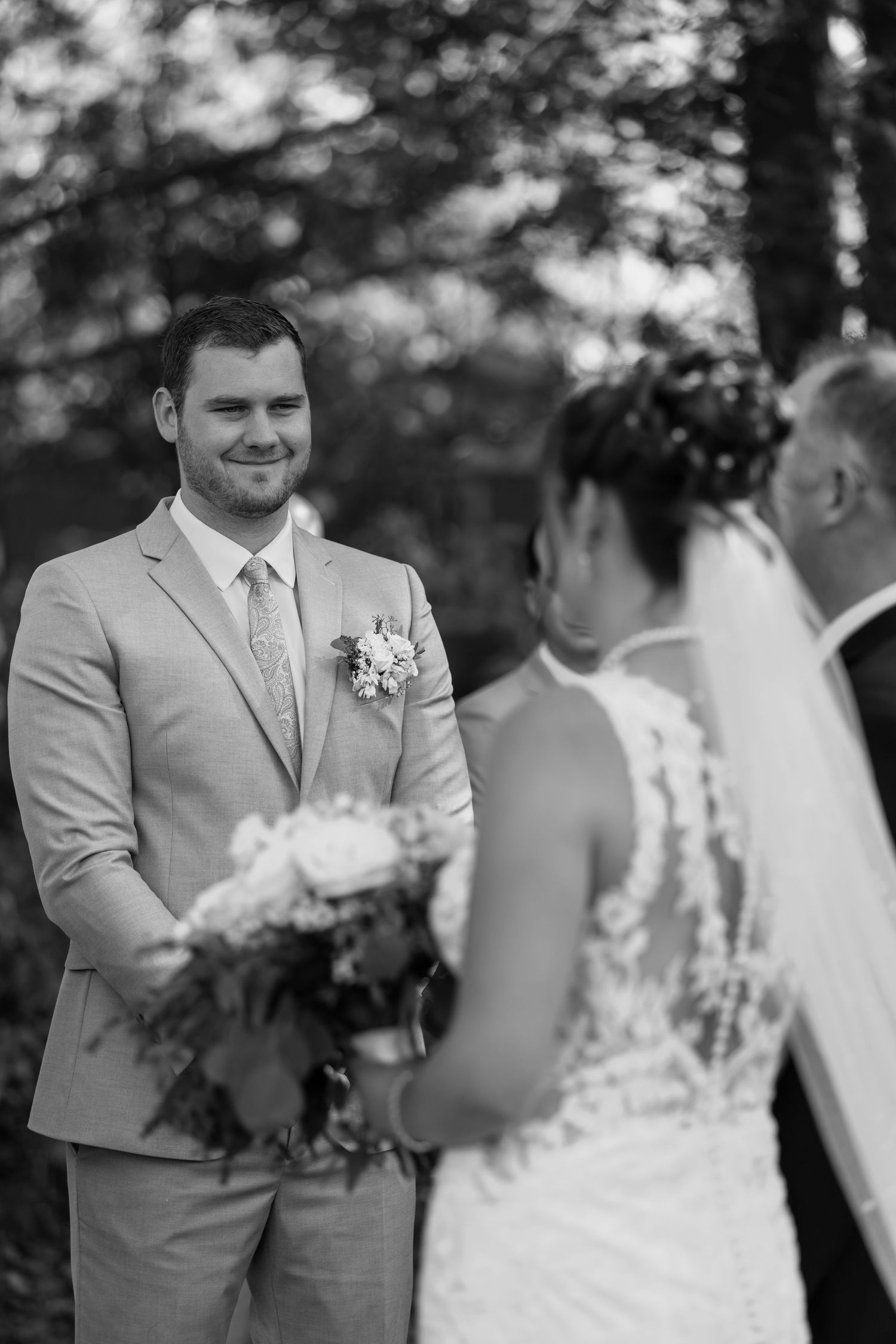
If you and your partner are more on the introverted side, feel nervous about being the centre of attention, or plan to share personal vows, a first look—or even a first touch—can be incredibly grounding. Having a quiet moment together before the ceremony creates a sense of calm, helps regulate those pre-ceremony nerves, and allows you to be fully present when emotions run high, without an audience. It’s a chance to connect, breathe, and remind each other that you’re in this together before stepping into the spotlight. On the other hand, a more traditional approach—seeing your partner for the first time at the end of the aisle—offers its own kind of magic. Sharing that moment in front of your closest loved ones can feel deeply communal, allowing them to witness and emotionally participate in a milestone you’ll all remember forever. Another benefit is the build-up: the anticipation can heighten the emotion of the ceremony itself, creating a powerful, cinematic moment that feels timeless and steeped in tradition.
Venue & Timeline (the logistics)
When your entire wedding day takes place at one venue and the ceremony flows directly into cocktail hour and the reception, skipping a first look can create a real time crunch for portraits. All of your couple’s photos, wedding party portraits, and family groupings typically have to happen during cocktail hour—which can feel rushed, especially if you have a large wedding party or extended family list. To make it work comfortably, you’d likely need to extend cocktail hour to around 1.5 hours, and even then, it usually means you won’t actually get to enjoy it yourselves. You’ll be off taking photos while your guests mingle and you don't really get to participate in the fun during cocktail hour.
In contrast, when the ceremony is held at a separate location from the cocktail hour and reception, it’s much easier to skip a first look without sacrificing time. That natural 2–3 hour gap between the ceremony ending and reception doors opening allows plenty of space for portraits, travel, and breathing room—while still letting you arrive in time to fully participate in cocktail hour and the celebration that follows.
** NOTE: If you want to have different angles of the first look at the end of the aisle as seen in the photos above; consider adding a second shooter to your wedding package to get multiple POVs
A Quiet Moment Alone Together
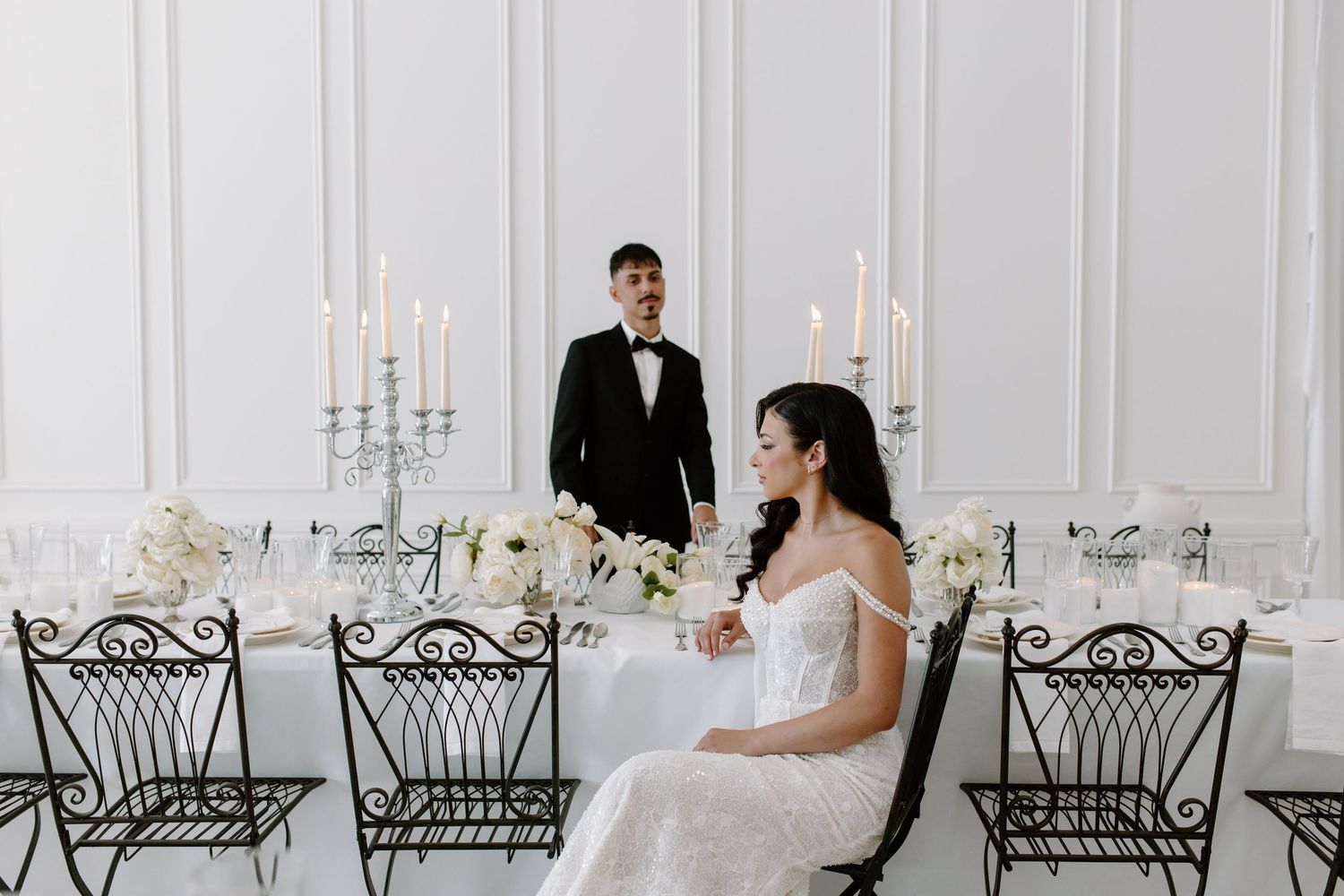
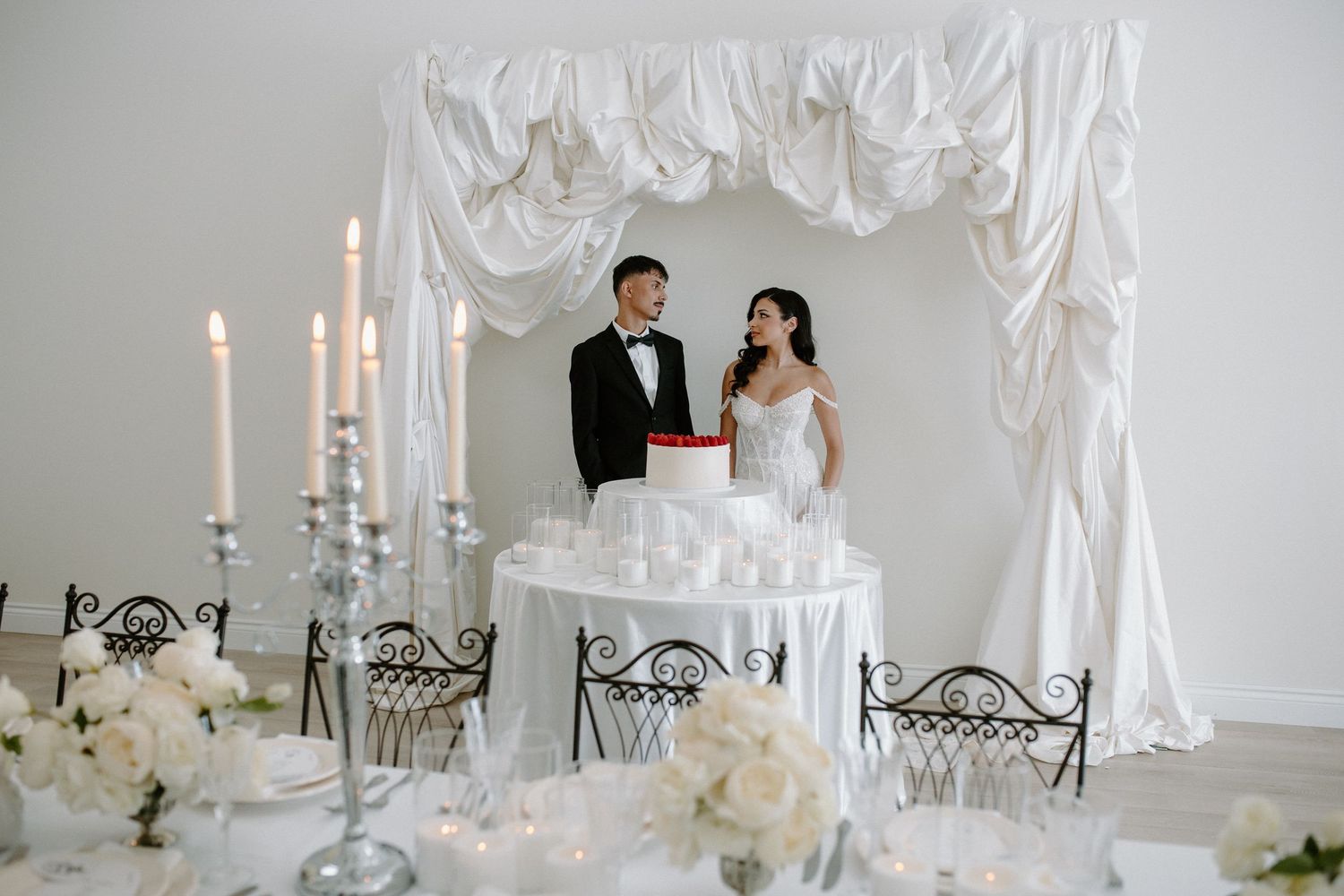
A first look can also be a rare, intentional pause in a day that otherwise moves incredibly fast—a moment where it’s just you and your partner, without timelines to chase, cameras clicking nonstop, or guests lining up to congratulate you. On a wedding day, especially a large or traditional one, true alone time is surprisingly scarce, and those quiet moments don’t just happen on their own. They have to be created on purpose. Whether it’s a first look or another intentional pocket of privacy, carving out space to breathe, connect, and really take it all in can make a huge difference in how the day feels and how you remember it. If you’re not planning a first look, this could look like a private reveal of your reception space—stepping into the room together before guests arrive, walking hand in hand, and soaking in the fact that all the planning, stress, and anticipation led to this beautiful moment you built side by side.
Other Things to consider
Here are a few other often-overlooked factors that can help guide your decision about a first look:
- Morning portraits: Are you able to take portraits with each side of your wedding party and immediate family earlier in the day? Doing these separately before the ceremony can significantly shorten the list of photos that need to happen afterward, making it easier to skip a first look without feeling rushed.
- Weather, comfort, and longevity: Are you worried about sweating, makeup lasting through the ceremony, or hair falling flat or getting frizzy due to heat, humidity, wind, or rain? If so, a first look can be a smart choice, allowing you to capture your most important portraits while everyone looks and feels their best—before the day and the elements take their toll.
- Light and season: Consider the time of year and the available natural light. Shorter days, early sunsets, or harsh midday sun can make portrait timing tricky. A first look gives you more flexibility to work with the best light, rather than being constrained to a narrow window after the ceremony.
Still Can't Decide?
If you’re still feeling torn about whether a first look is right for you, it can help to shift the focus inward and ask yourselves a few honest questions together:
- What will genuinely help ease anxiety and nerves for you both on your wedding day?
- Do you value tradition more, or does privacy and intimacy feel more aligned with who you are as a couple?
- Are you okay with potentially missing cocktail hour with guests, or is that time something you really want to be present for?
- And from a logistical standpoint, do your venues and timeline allow for a wider gap between the ceremony and reception if you choose not to do a first look?
Ultimately, your wedding should be a reflection of you—not expectations, trends, or outside opinions—and this is one decision that quietly shapes how the rest of your day unfolds and how you remember it for years to come.
